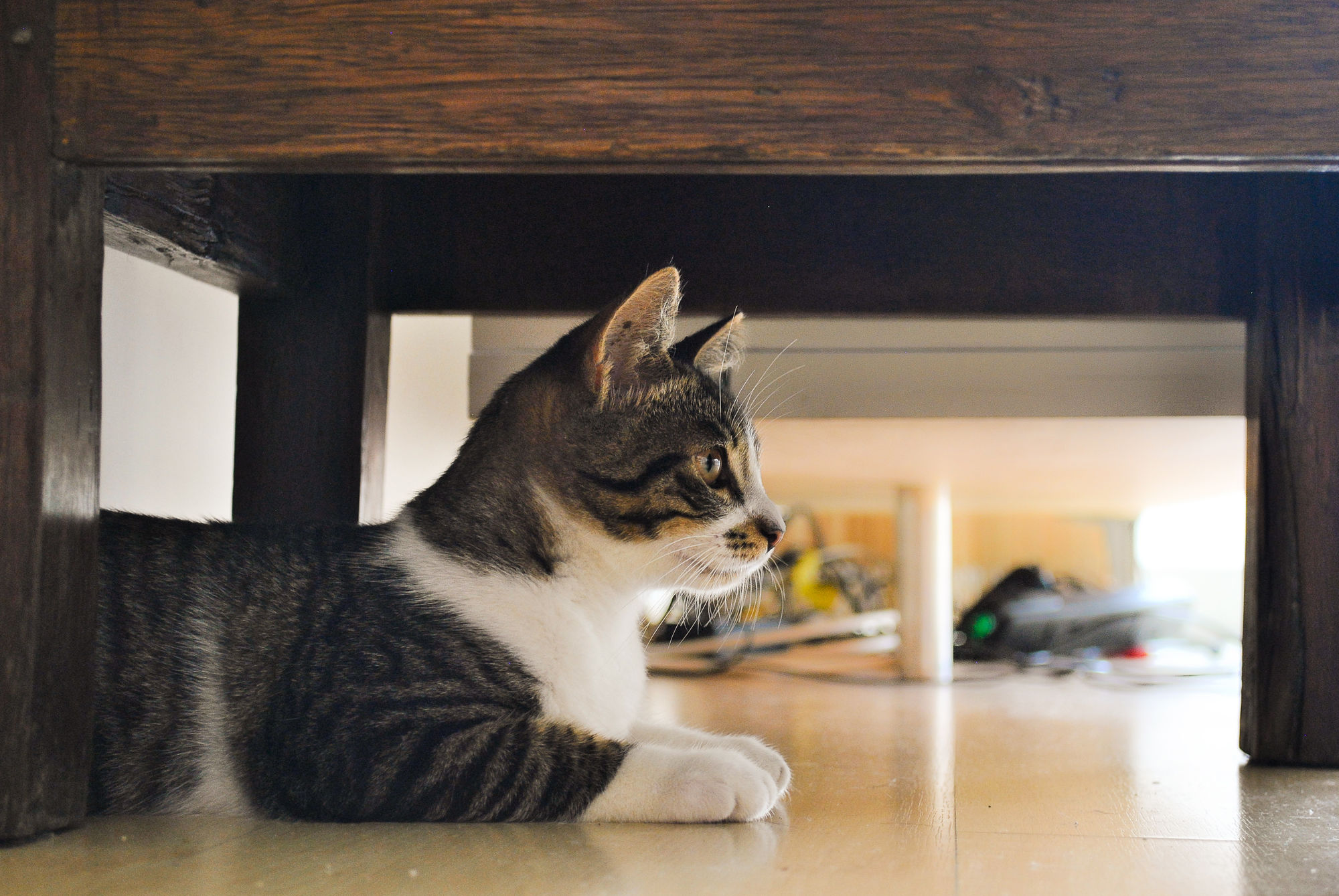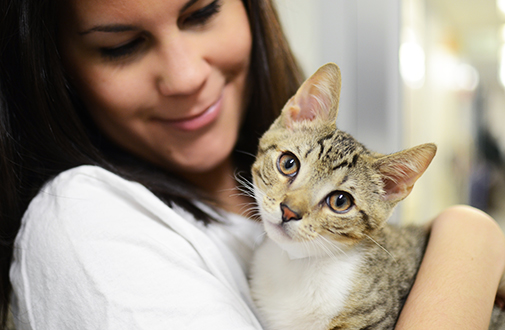
Have you adopted or brought a cat into your home recently? It’s so exciting! It’s so exciting to hear the little meows of a kitten or the soft purrs of a feline friend. We’re sure that you are enjoying all the accessories. If you’re new to cat ownership, you may have questions about how to best care for your cat.
Step 1 in Cat Care: Setting up
You will first need to gather all the supplies you need for your pet. The basics include:
- Litter box with litter and scoop
- Treats and food for cats
- Drink water and eat from food bowls
- Bed
- Tree or cat post
- Nail clippers and brushes, as well as other grooming tools
- Toothbrush and cat toothpaste
- Toys (don’t forget the catnip!)
- Collar with identification labels
- If you wish to walk your pet, you can use a leash or harness
- Different scratch pads
- A cat cubby or another place for hiding
- Carrier
There are many other products for cats and fun things you can do to pamper your cat. We know you love your cat!
Cat Care Step 2 – Cat Wellness Examination
Next, make sure your cat has a wellness visit. These tips will help you get your cat to the vet.
Your veterinarian will establish a baseline level of health for your cat during this initial visit. We can then start them on a parasite prevention and vaccination program. Young kittens may require booster shots.
Your veterinarian will recommend the best diet for your baby. They can also provide instructions on how to care for your teeth at home. It is important to check if your pet has had their microchip installed and whether they have been spayed/neutered. To reduce your chances of them becoming lost, microchip them. Also, make sure to update the registry with your contact information. Ask us for more information.
Cat Care Step 3 – Cat-Proof Your House
Think of your little buddy as a toddler. You should inspect every room in your home to identify potential problems.
- All windows and doors must be secured, even if they are not locked.
- Take care to sweep the floors and get rid of anything that could be tempting your cat. However, small objects that are easily ingested should be avoided.
- You should ensure that medications are stored in safe bottles and a medicine cabinet.
- Take a look at the list of toxic plants and make sure you don’t have any in your home, especially lilies.
- Please avoid harmful chemicals such as cleaning products or toilet bowl cleaners and keep them safe.
Step 4 of Cat Care: Feeding
Maintain your veterinarian-recommended diet and portion size for your feline. You should establish a routine for your cat’s daily feedings and follow it as closely as you can.
Keep your cat hydrated by giving him water every day or using a fountain bowl. Cats love running water.
While treats are wonderful, they should be used sparingly to ensure that pets and owners get plenty of attention.
Step 5 in Cat Care: The Litterbox
Cats can be very picky about what they put in their litterboxes. It is important to familiarize yourself with the most common litterbox problems and how you can address them. You should also be familiar with how you can deal with cat pee accidents.
Cat Care Step 6 – Enrichment and Exercise
Cats spend most of their time indoors, so it is vital to provide behavioural enrichment for cats to keep them happy. This includes:
- Climbing on a cat tree or other things
- Window perch (cats love looking out of the windows, so adding a bird feeder to your window is a smart idea).
- For bonding time, toys can be used, even if they require interaction, such as a laser pointer.
- Spend time brushing your cat
- Catios are great ways to let your cat get some fresh air and keep them safe.
Do not assume that your cat gets enough exercise. Cat obesity is very common. Without the interactive games you provide your cat, they may become overweight.
Also, don’t let your cat alone for too long.
Step 7 Cat Care: Cat Behavior Problems
Behaviour issues can develop in your sweet, gentle ball of fur, especially if you have another cat. You may need help socializing a shy cat if your cat is aggressive towards visitors or makes loud noises. You may also have a bully cat. Your cat may be stressed and will need your assistance to calm down. Multi-cat homes may have feeding problems.