Seven tips for grooming your dog at home
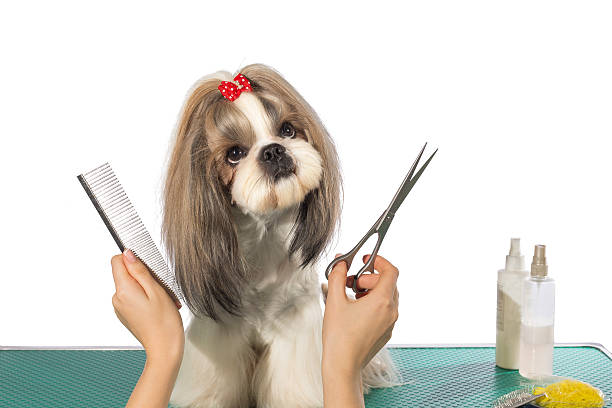
Dogs of all breeds need to be groomed regularly. This helps maintain a shiny coat, free from tangles, and allows you to check for skin problems and parasites, which can improve their overall hygiene. Grooming can also be a bonding opportunity for you and your pet.
Even dogs with short, easy-to-manage coats will need to be bathed, brushed, and trimmed regularly. Longer coats of dogs may need to be clipped and trimmed. You may want to make regular appointments with a professional groomer, especially when it comes trimming and clipping your dog’s hair. These seven tips will help to establish a routine at home for grooming your dog.
1. To prevent your dog from matting, brush his coat regularly
No matter what breed your dog is, regular brushing will be necessary to maintain its shiny coat. Your dog’s length and texture will determine how often you brush your dog each week. Golden retrievers and collies, which are long-haired dogs, will require more frequent brushing (at minimum once per week, if not every day), while greyhounds and labradors might only need to be brushed every other week.
Badly matted hair can be painful for long-haired dogs. Badly matted hair can cause skin irritations. Dogs may lick and bite their wounds. A matted hair can harbor foreign bodies such as grass seeds, which can cause skin infections. Regular brushing of your long-haired dog will prevent matting from becoming an issue.
Brushing is also beneficial for short-haired dogs. Brushing your dog’s hair will remove dirt, hair, and dander, prolonging the time between baths.
2. Cut the hair of your dog with care
Dog owners often prefer to take their dog to the groomer for their dog’s haircut. You can trim the overgrown hair between professional groomings if you are careful. Overgrown hair can block your dog’s vision, rubbing against or damaging its eyes. It is best to trim the hair around its eyes.
Wait until your dog is calm, preferably lying down. Slow down and be calm. Be extra careful when the scissor blades touch the skin. After you are done, reward your dog for his calmness by giving him a treat.
The best way to prevent ear infections is to trim the hair in the ears. This should only be done by a professional groomer or at your veterinarian’s clinic.
Don’t forget: You can accidentally cut your pet’s hair with scissors or clippers. Take care when trimming your pet’s hair. If you are nervous about doing so, or if you prefer to not trim their hair yourself, consider hiring a professional grooming service.
3. Take care to trim the nails of your dog.
When your dog clicks on hard floors, trim their nails. This will stop your dog suffering from discomfort due to too long nails. These safety tips are important to remember before you start trimming your dog’s nails. This is the complete step-by–step guide for cutting your dog’s nails safely.
4. As you groom your dog, make sure to check the skin.
Dogs can develop allergic skin conditions, which can cause itching and make them scratch, chew, or lick their skin. External parasites such as lice, ticks and lice can transmit diseases to your pet, or even other parasites.
Every time you groom your dog, make it a habit to check their skin. Begin by running your fingers across your dog’s hair, looking for any unusual bumps or lumps. To examine the skin for redness, sores, rashes and signs of parasitic infestations, you can also separate the hair.
5. You can teach your dog how to groom dogs.
When you introduce your dog to a grooming program, it is important that they are encouraged and given positive reinforcement.
These tips will make your first few home grooming sessions run smoothly.
- Put a little Vegemite onto a clean surface. Let your puppy or dog lick it while you brush them or wash them.
- Your pup will be more interested in your next pampering session if you take it slow and give plenty of praise and treats.
- To prevent your dog sliding, place a slip-proof rug in the bathtub before you take it to bathe.
6. Check your dog’s ears regularly
Take a close look at your dog’s ears when grooming. Ear infections can cause severe pain. If your dog exhibits any of these behaviors or changes, you should take him to the vet.
- The inner ear is either inflamed, or moist.
- Sometimes, it smells like an ear infection.
- Your dog may shake its head or scratch at its ears.
- Ears can have more or different types of discharge than normal (a little wax is common).
- When you look at the ears of your dog, you might hear yelps or whistles.
7. Do not bathe your dog more often
Dogs with healthy skin need to be bathed only once a month to avoid hygiene problems and unpleasant odours. Dogs that are bathed more frequently than necessary can lose their natural oils and dry out their skin.
Your vet should be consulted if your dog is smelling bad, but not having ingested anything. You might have a skin infection or dental disease.
These are some tips to keep in mind when bathing your dog
- Dog skin is different from human skin. Therefore, never use baby shampoo or human shampoo. Use a shampoo that is soap-free and specifically formulated for dogs. It will be gentle on their skin.
- Warm water should be poured over the dog to make it completely wet. Then, gently massage the shampoo into its coat. Do not touch the eyes, mouth or insides of the ears.
- Wash the shampoo with warm water. Let your dog shake the shampoo and let it air dry outdoors if it is warm. If it is colder, you can dry your dog with a towel or by blow drying it on the coolest setting.
Regular bathing, good grooming, and regular skin and ears checks will not only keep your dog healthy but it will also show your love and provide you with quality time.



Leave a Reply