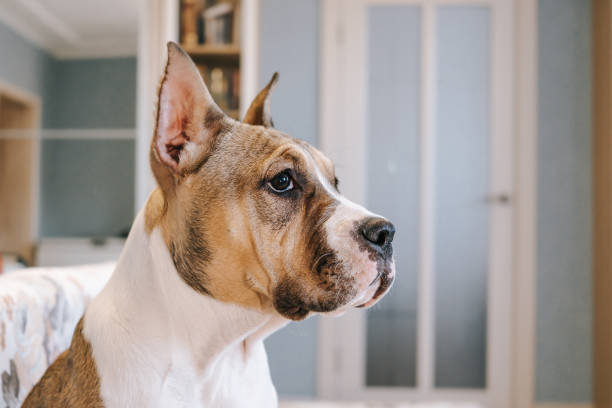
Do you ever see your dog lunging and yelling at people, bicycles, or other dogs? It cannot be very comforting to see your dog reacting, but you can make it more relaxed with good training.
What is Reactivity
Reactivity occurs when a dog reacts emotionally in a disproportionate way to a stimulus. Your dog will freak out when it sees something normal and non-alerting.
Other dogs, strangers, bicycles, and cars are common triggers. Certain dogs, like large dogs or people in hats, may have specific triggers. Some dogs may have only one motivation, while others might have several.
The most common signs of reactivity are whining, yelping, and lunging towards their trigger. However, their response can manifest differently, such as nipping you or their leash, shaking, and quivering. For this article, we will focus on leash reactivity. Most people struggle with reactivity when their dogs pull on the leash and lunge at friends during their daily walks.
As the owner, you must understand that reactivity and aggression are not the same. Many people mistakenly believe that a dog that is barking and lunging is aggressive. In reality, they are usually scared. They are afraid of and feel out of control. They want to escape the frightening thing. If you show empathy and understanding to your dog, you can share a positive training experience with him.
NOTE: These tips are for leash reactivity, not aggression. We recommend that you consult a dog trainer or behaviorist if you have an aggressive dog that has injured you or someone else.
Control Reactions to Safety
You must minimize any negative experiences while training. This means less stress for your dog and others and safer conditions for them. These techniques will help you find the best fit for your dog.
Stay away from walking your dog in busy places or at busy times. Instead, take long walks at night in the park when fewer dogs and people are around. Or go for a daytime stroll in nature rather than at the dog park.
Move your dog away from stressful situations. If you see the trigger of your dog walking toward you on the sidewalk, move them physically out of their way to reduce the fear they feel and the possibility of an encounter. Move large dogs away from the sidewalk. You can do this by crossing the street or hanging out between parked vehicles until it is safe.
A harness that is easy to control will be the best option for dogs who are reactive on leashes. A body harness will give you a better hold on your dog and prevent them from injuring their necks if they lunge. Even better is a front clip body harness for redirecting lunges. A head halter will give you more control and allow you to redirect your dog’s attention away from the trigger and toward you.
You must remember these techniques even after you have completed the basic training for dog leash reactivity. Even the best exercise is only sometimes practical, and your dog may slip up occasionally. Be ready to assist your dog in managing the situation.
Training & Counter-Conditioning
It is not necessary to be a “dog whisperer” to train your dog to react to leashes! All dog trainers can help their dogs change their reactive behaviors.
The best dog training method to tackle reactivity is counter-conditioning, which teaches them to associate their negative triggers with good things (like praise and tasty treats) to reduce their fear. These training techniques can help you and your dog, whether you notice signs of reactive behavior or your dog’s previously manageable leash reactivity has worsened.
Use a clicker to train your dog. You can also use a verbal cue such as “here” or yes. Make the sound, and reward them with treats as soon as they pay attention. This training should be easy and rewarding!
Get a friend to help you—practice in a controlled setting with someone else. Get a friend with a beard who doesn’t know your dog to help. If other dogs trigger them, ask a friend with a calm dog to help (and so on).
Use this cue to divert them from the trigger. Start training from a distance. As soon as they appear, but before not start reacting, give your dog their cue. When they start paying attention, reward them immediately with their favorite highly valued treat. Your trigger person should walk away and stop rewarding your dog—boom–one repetition done.
Repeat this technique until your dog learns to look up at you when their trigger appears and that the tasty treats will disappear as soon as their motivation does. They must know their trigger brings them good things. It is time to move forward once they are comfortable with the process.
Increase the distance. Have your assistant walk closer to you at your next session (such as 30 feet instead of 40 feet). Repeat this process until the dog is comfortable. Then, once your dog has it down, you can advance.
Get your dog moving. When you’re sure they can walk a few feet without problems, it’s the right time to get them hiking. Your helper should walk in the opposite direction as you do. Follow the same procedure, calling for their attention and rewarding them until they have passed their trigger. You may need to try a few times, but eventually, you will succeed!
The same counter-conditioning can be used in other situations (like when your dog barks out of the window) or for more complex interactions (like when introducing a dog that is reactive to leashes to another dog). You can reduce reactive behaviors with your dog in many areas by using patience and consistency.
You’re not alone in the reactivity training. Many people are going through the same thing as you and are willing to share their experiences and sympathize with you. You can find virtual support by joining the Reddit communities discussing leash-reactive pets, or you can visit a local dog trainer or behaviorist specializing in leash-reactive dog training. We’ll all get through this together. Dog owners everywhere love their reactive pets.