Post Neuter and Spay Care for Cats & Dogs
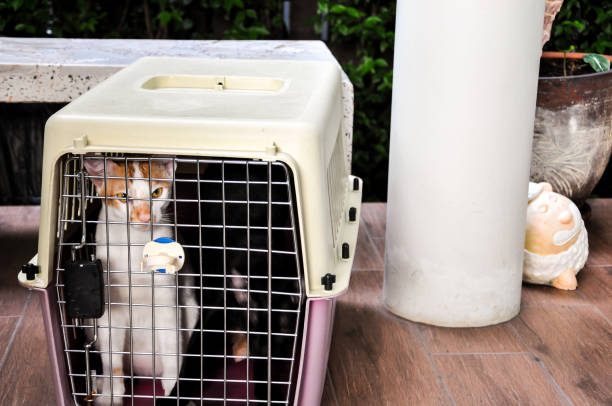
The following two weeks following your pet being neutered or spayed, can be stressful! Your pet will take different medications, and you’ll have to restrict exercise to ensure the healing of a cut. In this post, I’ll describe what you can be prepared for, possible complications, and ways to assist your pet in healing quickly.
Pain Control
The first 24 – 72 hours following surgery can be the most painful. Your pet is likely to be restless and move slowly. It’s crucial to provide the medicines your vet has prescribed. The ability to control pain is an essential aspect of healing. Natural remedies like CBD may help reduce inflammation but are not enough to alleviate the pain alone. It’s crucial to recognize that your pet may be experiencing discomfort even if they do not display it.
A tip: Feed your pet four small meals within the first few days following surgery. New medications and anesthesia can trigger stomach upsets.
Exercise Restriction
This is the most challenging aspect for you as a pet owner, but it is also among the most crucial! The majority of pets and animals begin feeling better after 72 hours. The incision, however, remains unhealed. In the case of spays, this cut is located directly in the abdomen. If sutures fail, the result could be devastating. Follow your doctor’s instructions regarding exercises during healing, and make sure to fill them with fluid whenever you feel it is necessary.
Postoperative Tips for Dogs
I recommend avoiding running, stairs, or jumping for the first 7-10 days following surgery. In the next ten days, you will be able to begin to take the stairs slowly and five to ten minutes of walks every day. It isn’t easy for dogs that are very active and restricted to this level. If you’re concerned, consult your veterinarian about medication to sedate your dog to remain at peace.
Tips for owners: Use food puzzles and frozen Kongs to amuse the dog while they recover!
Postoperative Tips for Cats
Cat neuters are simple procedures and provide the most rapid recovery. I suggest keeping your cat inside for a week following surgery. Cats who have had their spays typically limit their activities. Most cats do not require any Elizabethan collar (cone) to stop them from licking their spay-incision. If you observe your cat biting or licking the wound, you could apply the Elizabethan collar or a baby onesie to guard the incision area. If you use a onesie, take photos; it could be the only time you’ll have this chance! (P.S. We’d love to have you tag Us in your photos on Instagram when you receive onesie photos!)
A tip for you: Cats are amazing! They tend to tend to themselves and make smart life choices. However, treating your cat isn’t easy. Learn a few tricks for treating the cat right here.
Potential Postoperative Complications
There is a tendency for dogs to experience more postoperative complications than cats. Spays are often associated with more complications than neuters. Most complications result from pets being too active and too quickly after surgery. Sutures may fail amid intense exercise and cause the incision to be opened. The healing sutures may become itchy after seven days. It is important to continue using your Elizabethan collar (cone) until the sutures dissolve or are removed. A substitute for the e-collar is a tie at the back of female dogs or boxer shorts for males. You mustn’t be able to control your pet’s behavior as they cannot lick or chew on the site of surgery. If pets chew and lick at the area of the incision, the area can get infected or even open. If you are unsure, it is possible to take a photo of the area incision to your vet if you are worried.
We thank you so much for being an excellent pet carer! Your pet is blessed to have been loved by you. If you have any concerns you’d like to ask, comment below.


Leave a Reply