Bird Care Guide – Bird Feeding
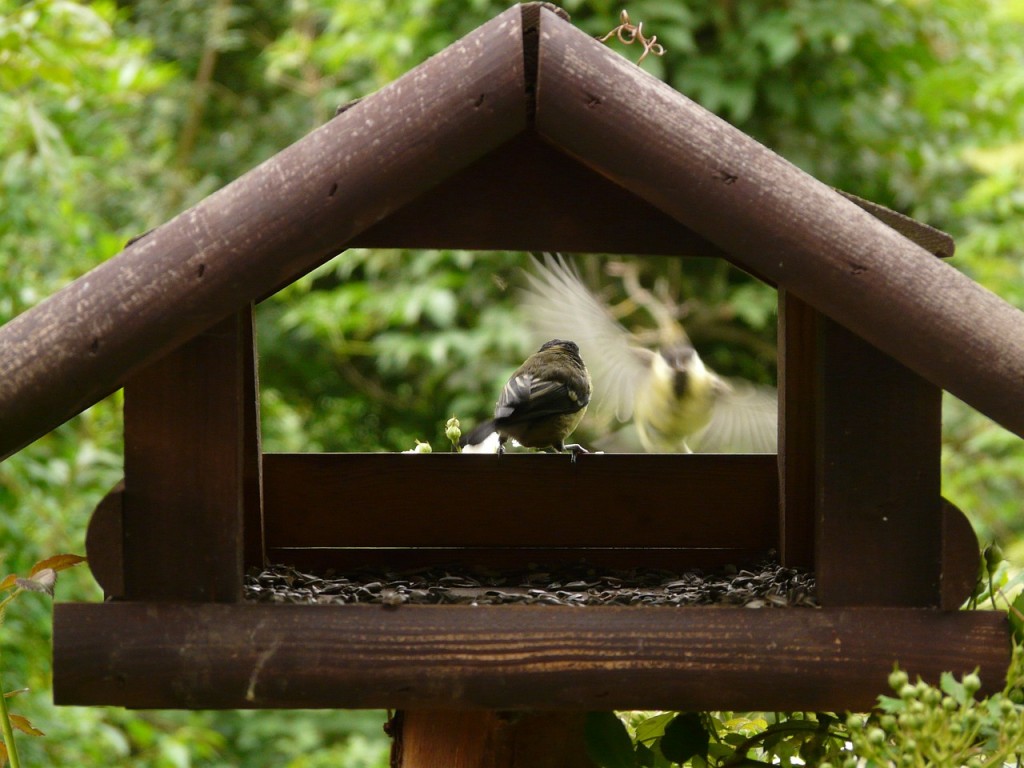
We at Pet Express have created this handy guide to wild bird care and feeding. You may be surprised to know that bird feeding is more than just distributing bread to the ducks and scattering sesame seeds all over the floor. Your bird feeding strategies will need to adapt to the changing seasons. Birds’ dietary needs are greatly influenced by their environment.
First, you need to probably understand what food birds can eat. You’ll be happy to learn that there are many options. You will want to feed your birds the best food possible, depending on how serious you take bird care.
- Oats
- Millet
- Soft fruit
- Waxworms
- Mealworms
- Boil potatoes
- Sunflower seeds
- Rice or pasta cooked in water
- Diced apples or pears
- Peanuts
- Uncooked, un-salted meat
You can also give them prepared bird food, such as seed mixes or suet pellets. Be aware that food left out for other animals could be a temptation. Bird feed should not be left out for pets, such as cats or dogs. Some foods and artificial ingredients can cause serious health problems in domestic animals.
Even though birds don’t tend to be fussy eaters like humans, it would be wise for them not to eat the following foods:
- Salt
- Garlic
- Chives
- Onions
- Avocado
- Chocolate
- Mushrooms
- Uncooked beans
- Anything that contains alcohol
- Anything caffeine-containing – coffee beans and teas, etc.
- Fruit seeds, especially apples, cherries, peaches, peaches, and apricots
Although some of these items may cause minor upset or are okay in small quantities, they can be deadly for birds if taken in large enough amounts.
We’ve already stated that different food types should be provided depending on the season and current climate. Many birds will moult during the winter and autumn to prepare for low temperatures. It is crucial that bird feeders adapt the food they provide so that they can offer the best chance of survival. It is possible to increase the amount of food you give them, since it will take less birds to eat the food you normally provide. They will appreciate berries and a greater variety of peanuts, suet, and sunflower seeds.
Their diets could be a bit more balanced in Autumn and Summer. You may discover that even though your garden is full of birds, they are not actually getting as much food. Keep in mind that spring is when many birds have their young so smaller and softer foods may be better. If you feed your birds by leaving food on the ground, make sure to moisten it. This will prevent them from eating the hard ground.
One of the best ways to attract wild birds is to provide elevated water-filled pedestals where they can drink away from potential predators. To prevent disease spreading, wash the water trays at least once per week and rinse them out daily.
Leave a Reply