Help for Pets and People with Seasonal Affective Disease
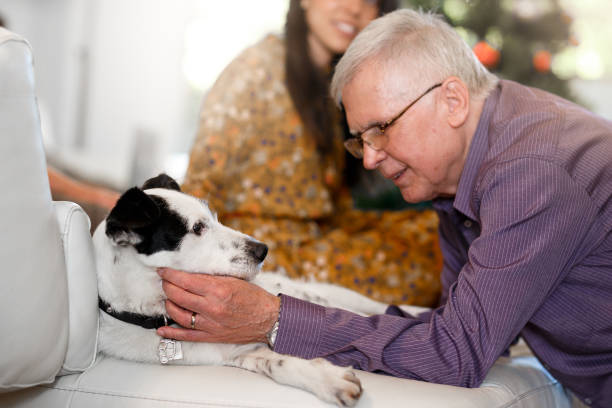
The seasonal affective disorder is a severe form of winter blues that some people experience when the days become shorter. Can your pet also suffer from this type of depression?
Can pets have a seasonal affective disorder
SAD is a mood disorder that begins to appear in the fall or winter when daylight hours decrease, altering our daily rhythm. Serotonin, one of our “happy chemicals,” can drop when sunlight is reduced. The longer the darkness lasts, the more melatonin that we produce. It can lead to a depressed state of mind at this time, which is known as SAD.
Nearly 20 million Americans suffer from SAD, while another 46 million have milder winter blues. Is it possible for our pets to suffer from this winter depression?
No studies specifically look at symptoms of seasonal depression in cats or dogs, but similar conditions in other animals have been identified. Studies of rodents show signs of depression if they do not receive enough sunlight. Although there are no official statistics on the seasonal affective disorder of cats and dogs, both animals likely experience similar feelings.
More specific factors can also contribute to seasonal depression in pets. Pets are often sensitive to changes in routine and may miss the outdoor sunbathing and playtime they used to have during summer. They are also susceptible to the emotions of their owners, so if they are feeling down, their pets will pick it up and may mirror that behavior.
Pets with Depression
SAD and depression are common in dogs. Be on the lookout for:
Inactivity
Lethargy and fatigue
Loss of appetite or interest in food
Spending more time hiding
Grooming excessively
Unusual bathroom accidents
Contact your veterinarian if your pet exhibits any of these symptoms! You can determine if the behavior change is due to physical discomfort, a change in environment, or a depressive condition.
How pets and people can help each other with seasonal affective disorder
You can improve your mood by working with your pet (or both of you).
Keep your routine the same all year round. Feeding and walking your dog simultaneously will keep your internal clocks in sync.
As much light as you can get, bask in the natural light you receive.
Get Outside – Even though cold and wet walks may not be appealing, daylight and physical exercise can instantly boost moods for people and pets.
Play with your pet so you can stay active even when inside. Play tug-of-war or chase the feather to get your body moving. Puzzle toys, snuffle mats, and hidden cat or dog treats will enrich and stimulate your pet’s mind.
After sunbathing, playing, and walking, snuggle up with your pet. The chemicals released by cuddling and petting your dog will make you feel happy.
You’re not alone in facing the long, dark season ahead! Your pet and you are working together to keep SAD away and boost each other’s spirits for a happier, more enjoyable winter.


Leave a Reply