Helping a shy, scared cat gain trust
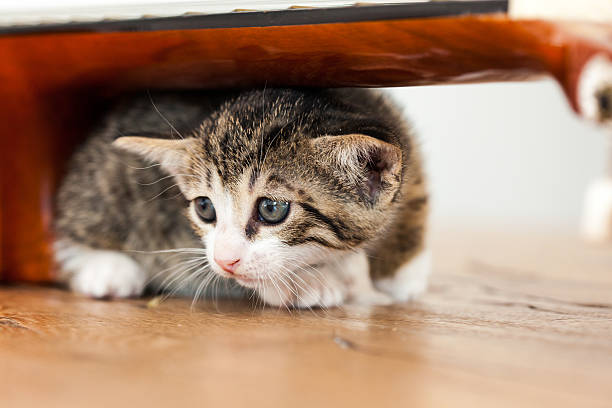
Are you an afraid cat Or one who is too timid? Are they prone to hiding under the bed or in the closet? Perhaps your shy cat needs a little help. More socialization To get them to Warm up Their new home. Cat owners often have to deal with anxiety and shyness in their cats.
Understanding Your Scared Cat
Nature calls cats to their quiet, safe places where they can escape from stressors and noise. A shy cat might have a greater need to be private. Unlike feral cats that are not used to being around people and fear of contact with humans, Shy cats are often undersocialized. They might have spent part of their first year in a shelter or weren’t trained.
Some shy, scared cats may have separation anxiety or fear of strangers. These sweet cats require a calm environment. They are more comfortable in a low-key home. Keep your cat’s litter box, water bowl, and bed in one place.
Cats hiding in cats can sometimes signify a more serious health problem. Call your vet to schedule an exam if the cat has not been seen for over a year.
Steps to gaining your scare cat’s trust
It is possible to build trust with shy or anxious felines by practising, understanding their behaviour and learning how to relax around the house. These are some positive steps to help your feline friend warm up to you.
- Establish a routine for your cat. Your cat will feel secure and at ease if you stick to it. Routines can help relax your cat, as they learn what to expect. This includes when you will be away from work and when your attention is available for grooming and play.
- Reduce noise and stressors. Many pets are afraid of noises and will react to sirens, fireworks and other startling sounds. Maintain a low-key home. Use a room diffuser or a fragrance spray to create a calm atmosphere.
- Keep your voice soft and reassuring when speaking to your cat. Instead of standing over your pet which can be intimidating, sit down with them. To encourage your pet to sit down, stroke their head or back.
- Allow your cat to have their space. Cats may be anxious about sharing a litter box with other pets or cats. You can move their water and food bowls to a private area away from other pets.
- Your cat may run away if they feel anxious. If your cat runs away from you when you approach them, turn your back and walk around them or give them a wide berth.
- Have fun with them. Find out which toys your cat likes and get them to play with them. Toys that focus on distant objects, such as a laser pointer or feather wand, may be preferred by shy cats. Some cats may be more responsive to catnip-filled mice and other catnip toys. Find the toys they love and make sure you have time to play with them each day.
- Get more information about feline body language. You will be able to understand better when you can engage your cat. Understanding your cat’s body language and vocalization will help you avoid aggravating the situation and increase your cat’s trust.
- Do not force your cat to do anything. This will increase your fear and make them more anxious. Slow down and be patient. Your cat will decide when they want to be petted or hang out. This will build your bond, increase your cat’s confidence, and allow them to be relaxed and happy in their new home.


Leave a Reply