How to groom your dog at home in 10 steps
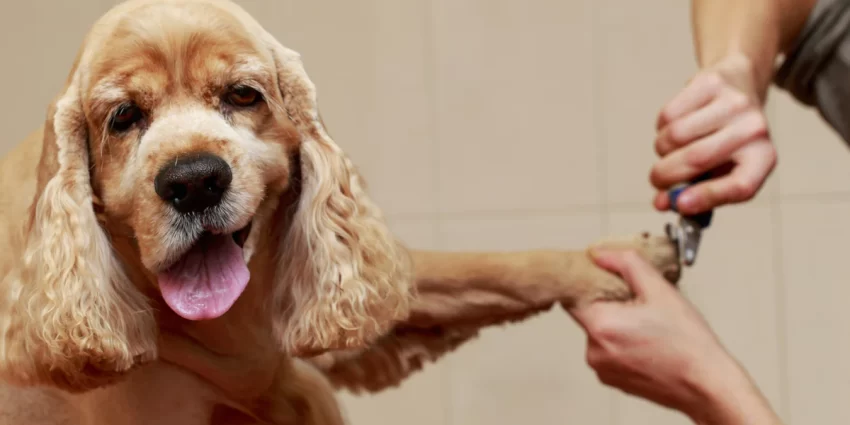
You may no longer feel comfortable taking your dog to the groomer, or you might still choose to keep him at home. It is easier and more cost-effective to groom your dog at home. Since 2020, a lot has changed: we no longer high-five people, rarely see them, and are now expected to be professional dog groomers!
It’s time to brush your dog’s teeth and learn how to groom your dog.
Your dog’s health can be put at risk if you let too much time go by between grooming sessions.
You can safely perform many grooming chores in your own home. You don’t require expensive and sophisticated equipment for simple tasks such as brushing your hair or trimming your nails. It’s a good thing, too, since who has space for more stuff when there are piles of toilet paper and flour in your closets or cleaning supplies?!
You can quickly learn to groom your Dog at home in just ten simple steps.
1. How to Clean Your Dog’s Eyes
2. How to clean your dog’s ears
3. How to Clean Your Dog’s Nose
4. Brushing your dog’s teeth
5. How to Brush Your Dog’s Coat
6. Trimming your dog’s coat
7. How to Cut Your Dog’s Nails
8. How to Clean and Protect Your Dog’s Feet
9. How to wash, dry, and style your dog’s coat
10. Massage Your Dog
Clean your dog’s face first:
1. Eyes
Wipe the area around your dog’s eye with a damp, soft cloth. This is where dirt and crust (from tears) tend to accumulate. Too much accumulation can cause an infection. Check the eyes for signs of swelling or reddening.
The eyes of your pup must be kept moist. Dry eyes can irritate or affect your dog’s vision. Use eye drops or make sure your dog’s room is sufficiently humid.
Artificial tear drops can be used as a tip to moisten your dog’s eyes. Consult your veterinarian before using eye drops.
2. Ears
Dirt and lint can also collect in the ears of your dog. Wipe the folds and flaps with a damp, clean cloth. You can also use cotton balls or gauze to clean your ears.
Never use Q-Tips to clean your dog’s ears. They may damage their eardrums.
Every four weeks, clean your dog’s ears. If your dog’s ears are frequently wet or produce a lot of wax, you can clean them every two weeks.
3. Nose
A healthy dog’s nasal passage is usually moist. A dog’s nasal passages can dry at various times during the day. For example, when they take a nap. Ensure your dog has enough water to drink and a sufficiently humid environment. A high-quality balm like Pup Wax will keep your dog’s nose moist. You may need to decide whether to worry about your dog’s dry nose. Check out our mini guide on caring for your dog’s nose.
4. Next, brush your dog’s teeth
If their teeth aren’t cleaned regularly, dogs can develop bad breath. If you don’t clean your dog’s teeth regularly, plaque and tartar can also accumulate. Have you ever noticed that your dog is more likely to want to cuddle on days when they have the best breath? Let’s fix it!
Brush your dog’s mouth a few times per week. Use only dog toothpaste. You can also research online to find the best brands of canine toothpaste or ask your veterinarian for a recommendation.
Tip for your dog: high-quality canine dental chews and chew toys will help you to clean your teeth.
Your dog’s teeth will be cleaned by letting them chew on certain bones or antlers. Consult your veterinarian to determine the best type of bone for your dog, considering its size, diet restrictions, and teeth.
5. Brush your dog’s coat
Your furry friend will get furry as we are locked in quarantine. You are responsible for trimming and brushing your dog’s fur to ensure they look and feel great. It turns out that “their best” isn’t three months of fur growing, making them look like a bunch of barbershop hair had legs.
If you see matted hair, it is essential to act immediately. Matting can cause serious medical issues for puppies of any age, from infected lesions and skin irritation to inadequate blood supply and strangulating injuries.
Brushing the dog’s hair daily will help remove dirt and dead hair. It will also keep it smooth and shiny. A metal brush comb will keep your dog’s long hair soft and lush. For short-haired dog breeds, a glove brush or grooming mitt is ideal.
Brush your dog’s coat a few times weekly to keep it tidy. Brushing your dog’s coat every day will keep it detangled and smooth if they have curly hair.
6. Trim your dog’s coat
Trimming your dog’s fur takes a lot of patience and a sharp eye. Make the session more fun by bringing in extra treats. Also, have these simple tools on hand.
- Hair clippers
- Curved/straight scissors
When cutting your dog’s hair, it is best to begin at the neck and work down to the tail. To trim the coat of the short-haired dog, you only need a pair of straight or curved scissors. You can use clippers to start and then use scissors for long-haired dogs.
Before the haircut, let your dog sit or stand on a raised table. You can better see their coat.
Trim the coat of your dog in the direction that their hair grows. The lines created when you trim your dog’s skin in the opposite direction of their hair flow will be visible. Different guards are available for hair clippers to allow you to cut different lengths of hair. Start with the giant clipping guard, then move on to the smallest.
While shaving, make sure the clipper is flat against the dog’s coat. You will not cut your dog or shave too profoundly.
Then, proceed to the abdomen and back. Pay attention to sensitive areas such as the underbelly and underarm. If your dog is irritated by a clipper, try using scissors instead. Hold the point of your scissors away from your dog and trim with the scissors.
Trim the tail, legs, and head. It would help to shave these areas last, as they will likely be in constant motion. Have someone hold your dog as you trim it.
While grooming your dog’s face, keep their head still. Brush the front to reveal long strands, then trim with scissors. Follow the facial contours of your dog with gentle clippers. If you only use scissors, thin scissors are best as they do not leave the straight scissoring lines behind. The result is more natural.
Trim the sides of the head below the jaws and the ear flaps. Trim your dog’s eyebrows, especially if they have a lot of facial hair.
Trim the first leg, then trim the second. Trim the excess hair between the paw pads with a pair of scissors. The hair on the paw pads tends to be a breeding ground for bacteria.
Trimming the tail with scissors or a clipper is best done after brushing it. Trim the bottom tip by holding the seat still and cutting it gently.
Tip for your Pup: Keep them busy with treats while you shave.
How to keep your dog’s nails and paws clean
Overgrown nails may cause dogs to have difficulty walking. Long paw nails can also break, curve inwards, or penetrate the paw pads. You don’t just want to avoid them because they could hurt your dog but also because they look like they spent two days digging a tunnel.
Some puppies become very sensitive when their nails or paws are handled. Start trimming your puppy’s nails at home as early as possible to help them get used to it. Treats are the best thing to give your dog during a pedicure!
7. You can cut your dog’s nails
- This one is for your dog to be comfortable. You can have him sit on a chair, a table, or a lap.
- Before you begin, locate the beginning of the nail. The quick is a part of the fingernail that contains blood capillaries. This part can be cut and cause your dog to bleed. It can also take several weeks for the wound to heal.
- If your dog’s nails are white, the quick is pinkish. The short is a dark spot for dogs with dark nails.
- The quick is a pinkish-black spot on the nail.
8. How to Clean, Moisturize & Protect your Dog’s Paws
- Clean between the paw pads with a damp, clean cloth.
- Keep your dog’s feet moist, protected, and free of cracks. Read about how to prevent dry paws. Use a paw balm such as PupWax on your dog’s feet daily, mainly if you live in a hot or dry climate.
- Pup wax heals cracks and irritations on your dog’s feet. Pup Wax (r) forms a nontoxic humectant layer over the dog’s pads. This stops the paws from losing moisture and also seals out any irritants.
- A good paw massage is an excellent way for your dog to finish the paw-pedicure part of the spa day.
9. Your dog’s bathe, dry, and style. Fur Coat
Most dogs will only require a bath once or twice per month. For dogs who shed a lot of hair, bathing once a week can help remove pet dander and dead hair. After a relaxing shower using a spray nozzle, use a clean towel and dry the coat. A blow dryer can dry your dog’s skin if it has long hair.
10. Pup Massage
A certified dog groomer will know your dog’s main muscle groups and their acupressure point. If you want to know how to massage your dog to make him feel better, read our post about effective dog massage techniques.
Which services should you leave to a groomer?
You can maintain your dog’s appearance at home, but some things you should leave to your veterinarian or professional groomer. These services include checking your dog for skin conditions and parasites. A professional groomer or vet can check for any skin conditions that may be undetected. They can provide the best care for your dog and suggest the right course of action if they notice any early signs. Veterinarians offer an essential service that should be available to you at any time, no matter where in the world you are. So make sure your dog gets regular checkups with their vet.
Final Thoughts
While quarantined, learning how to groom your pet properly is essential. You may be spending more time than usual with your dog, so make the most of this opportunity to keep them healthy!
Leave a Reply