How to stop your cat from scratching your furniture
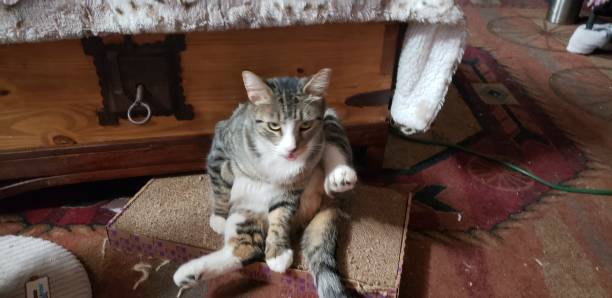
Are you familiar with the pain of watching your cat twist the arms of your favorite chair into ribbons when it is a cat? We feel your pain. We know why cats scratch and how to redirect them to a better place.
Why do cats scratch
Why do cats scratch carpets and furniture? Why do cats scratch walls at night even worse? These questions were often mumbled under our breath; you probably understand it if you read this.
There are good reasons for cats to dig their claws into your soft surfaces. Once you know the reasons behind these behaviors, you can take steps to reduce their impact on your furniture.
Your home is a perfect place for cats to mark their territory. Your cat’s claws leave behind a trail of pheromones and scratch marks that let other cats know who owns the territory. This is especially useful if you allow neighborhood cats into your home. This is a behavior that cats naturally engage in, even if it does not make sense to inside cats.
Scratching also benefits the physical health of cats! Scratching helps remove the outer layer of the cat’s claws as it grows. This leaves the sharp, ready-to-use claws beneath. All cats enjoy a good stretch. Reaching up to the top gives them that. Stretching and scratching can be an expression of contentment. This could be the reason why your cat scratches whenever you pet it.
It is important to remember that scratching is good. It’s not the goal to stop them scratching (and certainly not to declaw, as this is painful, unnecessary, dangerous, and extremely distressing for cats). We’ll show you how to stop your cat from scratching the furniture using its instincts.
How to manage cat scratching
You can’t stop instinct. The key is encouraging them to scratch on the scratching posts and other places approved by humans (i.e., Not your couch).
Try various scratching posts, including flat and upright posts, and various materials, such as cardboard, rope, and wood. Consider skipping the carpeted posts, as it could be confusing for your cat to scratch the carpet on the post but not the rest of the home.
Posts can be placed near or in front of their favorite scratching areas.
Other posts can be placed in their favorite places to relax. For example, by the litter box or your usual place on the couch. Or by the spot where they like to nap.
You can make the posts more appealing by rubbing catnip and decorating them with your cat’s favorite toys.
Avoid Scratching the Bad Spots
After you have provided better targets to scratch at, the next thing to do is make their old targets seem less appealing. These tips are essential for cats that scratch anything except their scratching post.
We DO NOT recommend scaring or spraying your cat for scratching. If necessary, you can remove them from the area, but if they hear you scold them, it could make them associate the scary stuff instead with you, not the scratching. Stop Googling homemade remedies to stop your cat from scratching the furniture. Instead, try a less intrusive approach.
If possible, remove or block the usual scratching surfaces. If they scratch your speakers temporarily, you can turn them away from the wall if necessary.
Cover the scratched area with an unattractive texture, such as double-sided tape or tin. If they don’t like to scratch it, they will not.
Make the area where they usually scratch their feet uncomfortable using crinkly tin or bumpy carpet runners.
You won’t be stuck with a couch covered in tin foil forever. You can wean your cat from these changes as soon as it breaks old habits and scratches in other places.
Take Care of Those Claws
Keep your cat’s nails short and smooth to prevent scratching. You can use a pair of nail clippers designed for cats or a grinder to keep your cat’s nails short. You can read our complete guide on trimming your cat’s nails here.
After you have clipped your nails, you can try to apply cat nail caps. The soft plastic covers will naturally fall off when the nails’ top layer sheds. These covers are painless and stop most scratches, but some cats will try to pull them off. If your cat protests after two or three attempts, you must respect its boundaries and test its tolerance.
You can improve your relationship with your cat by compromising what you want versus what it needs. Your furniture will be so clean and free of scratches that guests will not even notice you have cats in your home, except for the fur.


Leave a Reply