How to Train a Puppy

It is exciting to have a puppy in your home. Dogs at this age are often playful, sweet, and adorable. Being a parent of a puppy means that you have to teach your dog good manners and train him well. We don’t want them becoming destructive, small-sized monsters or an animal the family can’t control. Animal Wise wants to speak to you about when it is time to train a puppy. It is vital that you choose the right time for your pet to start training him/her.
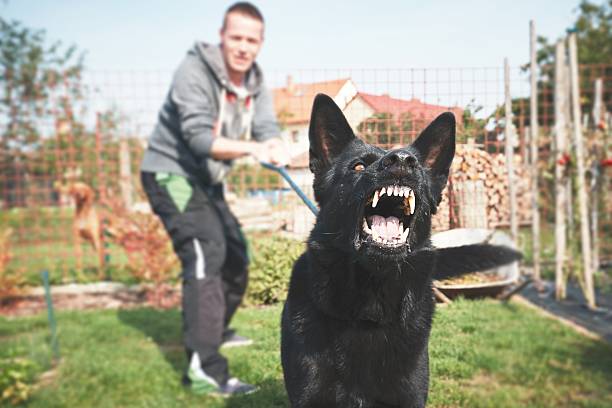
Are you a pet owner of a rude dog?
If you don’t spend time and energy on properly teaching your dog while they are still puppies, you will be rewarded with broken shoes, ripped cushions, and dirty carpets. It is easier to teach your dog basic commands so that they can live in harmony with other pets and their family. Untrained puppies can cause tension in the home and create problems. However, we have useful guidelines that can help you correct this.
How to train a puppy
A dog, regardless of the domestication process, is still an animal that is used to following the pack. From a young age, they can be taught about the rules of the herd. It is a waste of time to wait for your pup’s six-month-old age to start training. They are able to learn the rules of their house and where they can go to the bathroom.
Your puppy will be ready to learn the rules of coexistence and the commands necessary to join the family group at seven weeks old.
Learning is a process.
Dogs learn throughout their lives. Even if you believe you’ve completed the training and education process, your dog may develop undesirable habits if you don’t take care of them. It is important to educate your puppy from a young age. This not only helps avoid any problems with the family or if you end up having a dog that isn’t well-behaved but also makes it easier for them to retain information and make them more open to learning.
Each stage of training is different, just like humans. You must adjust what your puppy learns at each stage. This allows us to divide the puppy’s training into these categories:
- Starting at seven weeks
- Starting at three months
- 6-months and beyond
Starting at seven weeks
This stage is when your puppy is either just coming home, or you can help the mother with the training of her litter. Although you can only teach your puppy a few basic things at this stage, they are extremely important.
- Manage their bite. Because puppies are teething, it is common for them to chew anything in their path. Buy special dog toys and congratulate your puppy whenever they use them.
- Where is the nearest toilet. You should give them some space in your house to use the toilet. Take them immediately after you eat.
- Do not cry if your dog is alone. You can pretend that you are going out and then come back as soon as your dog starts moaning. You can show anger without resorting to violence and your dog will soon stop making these annoying noises. You can offer a kong to your puppies to keep them busy while you’re away.
- Respect others. You can get rid of your dog from chasing people and sleeping on furniture by simply saying “no”.
- Where to Sleep. You must establish a place for rest for your animal. It is important that you do not change this position. This is important because they will be confused if you let them sleep with you one night and then send them to their bed the next.
Starting at three months
This phase should be easy for both you and your dog if you have learned the rules. The puppy will be able to learn how to:
- Go outside or to one location. This is the age to teach your dog how to go outside to relieve his/her bladder. You can start by taking the newspaper out of your home and putting it in areas that are attractive to their attention. Soon, they will be able to find their preferred bathroom.
- Walking. It is important to keep track of your dog while on walks. Start teaching them commands like “quiet”, “come” and “walk” by pulling the leash whenever they try to escape.
Starting at six months
Your puppy will learn more complicated commands between 6-8 months. At this age, commands such as paw, lie down, and any other tricks that you wish to teach them will be easy to master. This is also a great time to get your dog involved in socializing with other dogs. You can read our article to learn how to socialize your puppy.
Your dog will be able to understand the basics and have the habits necessary for daily living with their family.
These are some useful tips for dog training.
These are some of the things you need to know about when to start training your dog.
- Be patient. Do not get upset if your dog does not obey the orders you give. The method you use may not be the best. You can leave them there, then analyze the problem and start again the next day.
- Love. When your dog exceeds your expectations, you should show affection and pampering.
- Be consistent. It is important to establish the norms that the animal must follow from the beginning. This must be done by all members of the family. Mixing signals can confuse the animal.
- Be understanding. You and your dog will be exhausted if you have to do long training sessions. You will see a greater improvement in your dog’s behavior and order if you can reinforce it for five minutes at a time, up to 10 times per day.
These tips will help your puppy become a well-behaved, educated dog in no time. Do not worry if your adult has never been trained. You can train them at home or by attending training courses and workshops. Do not hesitate to contact us if you have any questions.


Leave a Reply