How to train a stubborn dog?
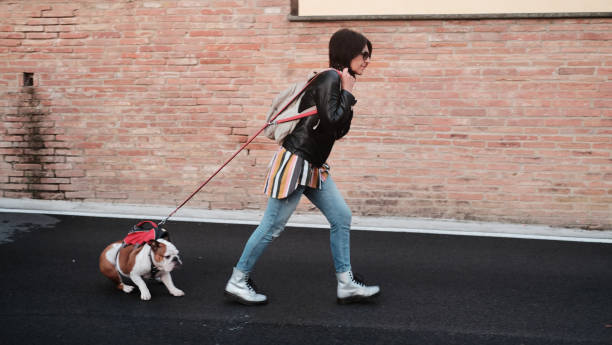
Do you struggle to train a stubborn dog? It is hard to describe the excitement of bringing home an adult dog or a puppy. Training and socialization are the most difficult aspects of owning a dog. Training should begin as early as possible, in the dog’s first few weeks, and continue through adolescence. Sometimes things don’t go according to plan.
Many pet owners are puzzled by why their dog isn’t responding to training or following the rules at home. Even stubborn dogs can be trained. Common Mistakes When Training a Stubby Dog
There are many reasons why a dog might be stubborn or resistant to training. Some dogs won’t come when called. Some dogs are unpredictable when they’re on the leash. Many other dogs can be aggressive, anxious or irritable when interacting with other dogs or strangers. This is why “my dog cannot be trained” is a myth.
- A dog may behave differently if it is ill or in pain. The pet owner may not know that a dog suffers from infections or other undiagnosed conditions. Contact us if your dog’s behaviour problems persist. We will examine the problem to determine if there are any medical issues or pain.
- When you are angry, Dogs can pick up on your emotions to react. You can take a break from your training session if you feel anxious, upset, or angry with your dog. After you and your dog have shared a meal or snuggle, resume the training session.
- Your dog may not understand your commands. Repetitive commands that aren’t associated with a specific toy can confuse a dog. If they are bored, your dog may not respond to certain commands, such as “come” and “lie down”. Make it fun and not a chore. Use the command to reward them with something they enjoy, such as a treat or a ball to fetch. You may find that your dog will become distracted if you are too distracted. For better results, keep your dog focused and on the task.
- Too long training sessions – A well-trained dog has a consistent and regular routine. You should not force your dog to learn if they become bored or frustrated. Each session should last approximately 10 minutes and be repeated frequently. It is important to have short, frequent sessions to teach your dog the correct behaviour. For consistency, you should establish a training schedule each day.
- You are disciplining your dog. Dogs don’t respond well to punishments. It can make the problem worse. Positive rewards training can help reinforce the behaviour you want for your best friend. To get your pet to join the training sessions, you should not just focus on treats but also verbal praises, toys and trips to the park.
- Seek professional help. If you’ve tried everything and still have trouble training your dog, it is time to seek the advice of a professional. All dogs can benefit from professional dog training and socialization classes. This is a safe, supervised way to learn new behaviour skills. We offer several options for dogs who are resistant to training and have seen them make great progress. We are happy to help you get your dog the skills they require.
It is possible to train a stubborn dog?
It is possible to train most dogs with patience, persistence, and the right techniques. It may be more difficult if your dog is older or if you have first to address any issues that might be making them resist training, such as anxiety or fear. It is important to get to know your dog, their motivations and how they train.


Leave a Reply