PLAYING WITH YOUR DOG.
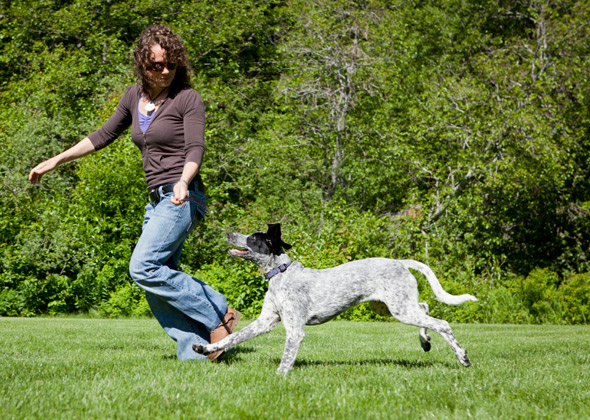
Dogs are social animals. Play is one way they learn and build relationships. Regular play with your dog will help you to understand your dog’s personality and strengthen your relationship. Play can prevent boredom, provide exercise, and allow your dog to express his natural instincts.
What are dogs’ favorite games?
It all depends on the personality of your dog. Be aware of what your dog does when it is excited. Is your dog a chaser, grabber, or pouncer? Try out a variety of toys to see if your dog mimics your natural play behavior.
Games
There are four major categories of games
- Toys to play in a tug of war include rubber rings and raggers
- Use balls and Kongs to retrieve ropes and chase and retrieve
- You can hide, seek, and search with toys, people, or food
- This type of play is encouraged by squeaky toys and pounce-and-shake –
Make sure toys are appropriate for your dog. To ensure that the toys are safe for your dog, make sure you check them regularly.
To keep your dog entertained, have a variety of toys that you can swap out every other day.
Playing the basic game.
- Before you start to play, make sure that you are able to take the things from your dog.
- Do not allow your dog to chase children or play rough and tumble wrestling. These games can be very exciting for your dog, but they can also encourage you to play games that are not in your control.
- To discourage your dog from jumping up, keep the toys at a reasonable height.
- Play often, daily, at home and out on walks
- You can play for as little as five minutes and then stop if your dog is still interested in playing.
- Use an exhilarating voice and encourage others to play when you are playing.
- Dogs that want to play should only be playing when you are allowing them to do something they like, such as lie down quietly. This will encourage good behavior.
- After each play session, put your toys away.
- Do not force your dog into playing
- Have fun
Teach your dog how to play
This section is for dogs who have not yet learned how to play with toys. Your dog may have had toys to play with as a puppy, or he might not have learned how to play with toys. These are some tips to help encourage your dog’s playtime with toys and you.
While teaching the play, you can only have one dog in the room at a given time. Your voice will be loud and excited, so you’ll need to lower your head to the floor. Do not push the toy toward your dog, especially towards their mouth or faces. Instead, pull the toy away from your dog and hold it in your hands.
Continue to turn away from your dog, and then drop the toy occasionally and grab it back. Your dog will enjoy this game and be more interested in the toy. You can have an exciting tug-of-war game with your dog if your dog grabs the toy.
You can encourage sensitive dogs to grab toys by giving them an old sock that has small pieces of cheese inside. You can start the game when your dog is excited. As your dog pulls at your sock to reach the food, you can gently pull back. Begin by gently praising your dog and then build to more excited verbal and physical praise as your dog becomes more enthusiastic.
You can encourage dogs to play with toys that have food in them by giving them toys. Let your dog inspect the food, then let him roll the toy around the floor. The toy will be followed by your dog, who will then be allowed to chew the food. Dogs will quickly associate toys with food and enjoy following the toy around the ground.
Tug of war
People avoid tug-of-war because they fear that the dog will become aggressive and controlling. Dogs love tug-of-war games. If this is your dog’s favorite game, he or she may find other ways to play. For example, grabbing clothes or stealing tea towels. You can instigate the games, but you’ll be able to set the rules.
Begin by encouraging your dog to grab the toys. Then, move the toy towards you and your dog. Keep your dog interested in the toy by shaking it side-to-side, backward and forwards until they have a firm grip.
Stop tugging during the game by saying “leave” once – don’t repeat), and move your hands into your body.
The dog might continue to tug but eventually, let go. Your dog should let go immediately. Then, pause the game and start it again.
It may be easier for very strong dogs to keep the toy under your collar and then release it. This will decrease the competition and excitement.
You can quickly teach your dog to play when you invite it to and to stop playing if your hands touch the collar of your dog or when your hands remain still and close to your body.
You can keep control by stopping and restarting the game occasionally. Only remove the toy completely when you are done.
If your dog attempts to grab your clothes or grab the toy, he/she should immediately stop and be quiet.
Chase and retrieve
You should ensure that toys are not too small for your dog to swallow. A ball on a rope is better than a ball. Don’t throw the toy up, as it could cause your dog to jump up and land awkwardly.
Although dogs love to chase toys, not all can learn to return them. Start teaching your dog how to hold the toy if your dog refuses to bring it back.
Your dog should be next to you. You can then offer the toy to your dog and allow him to pick it up. Some dogs will grab toys if they are rolled on the ground. You can praise your dog for holding it and give food treats if your dog drops it.
You can now run backward while your dog grabs the toy. Your dog will have to follow you for a treat. You can give your dog some control by letting it fetch the toy when it is happy.
You will soon see a dog who recognizes that if a toy is brought to him and placed at his feet or in his hand, he will be given a treat.
Find and hide
These two games, hiding and seeking and searching, require your dog to use his amazing sense of smell.
Wind scenting is a combination of sniffing the air for you and tracking (sniffing on the ground to track where you are walking). It is possible to call your dog from another room, or you can wait until your dog goes into another room. You may have to call your dog several times when you first begin this game. When your dog recognizes you, praise him and treat him with a treat.
The same game can be played in the yard or on a safe walk. If your dog is not looking at you and sniffing, you can hide behind a tree or crouch in the long grass to call them. Be excited when your dog finds you.
Looking for games?
You don’t have the responsibility of hunting for your pet dog’s food, but you can still use their skills to help find their favorite toy. Toys should be fun for your dog. Begin by playing with the toy briefly. Then, while your dog is watching carefully, hide it behind furniture, or throw it in long grass if it’s outside.
Encourage your dog’s curiosity to find the toy by asking excitedly, “Where is it?” You can make the game more difficult by not letting your dog see where you have hidden the toy.
Don’t put your toy in a place you don’t want it to go.
You can hide food or portions of the dog’s meal if your dog doesn’t want toys.
Give it a good shake.
Many dogs play pounce and shake without the owner. The dog will throw the toy into the air and then catch it or pounce on it. Dogs will shake the toys until they hear the sound stop. You can use squeaky toys to attract your dog’s interest and throw them at your dog.
Training
Training should be enjoyable. You can reward good behavior with food and games. These books will give you ideas for fun, rewarding and useful things you can teach your dog.
Dog Tricks: Fun Games for Your Smart Canine, by Mary Ray and Justine Haring
Dogs are social animals. Play is one way they learn and build relationships. Regular play with your dog will help you to understand your dog’s personality and strengthen your relationship. Play can prevent boredom, provide exercise, and allow your dog to express his natural instincts.

Leave a Reply