Poisonous plants for Pets
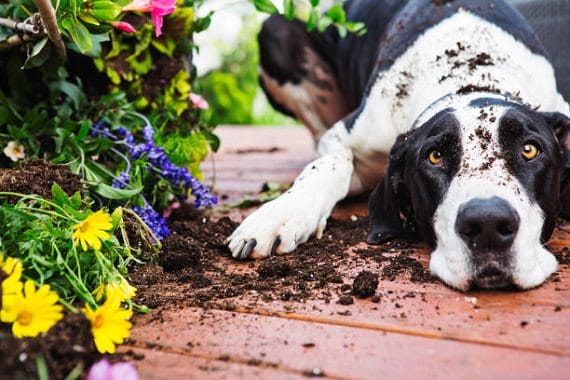
We put so much effort into taking care of our cats that we don’t want to injure them. Many common cut flowers and houseplants can be deadly or fatal to sweet lap-prowlers. This does our best in protecting our foliage futile.
Unfortunately, the long list of toxic plants can be quite overwhelming. However, we rarely bring many of those plants inside. If you have an indoor-outdoor cat, you will need to be aware of any toxic plants in your yard and either remove them or cordon them off. Although most outdoor cats will avoid these plants by default, it is best to be cautious with your feline friend.
What Parts of the Plant are Toxic for Cats?
If a plant is poisonous for cats, it should be assumed that all parts are poisonous. However, some parts may contain higher levels of the toxic principle than others.
Toxic doses may vary from one plant to the next. Sometimes, small amounts can cause severe reactions. Cats may need to be exposed for a long time to other plants to avoid developing symptoms.
Watch out for these symptoms.
Many plants can irritate, so that most symptoms will be caused by inflammation or redness of the eyes, skin, or mouth.
If the gastrointestinal tract becomes irritated in deeper areas, such as the stomach or intestines, vomiting and diarrhea can occur.
Immediate Care
If you see your cat eating a plant and you are uncertain if it is poisonous or if you even suspect that your cat ate such a plant.
Poisonous Houseplants for Cats
Here’s a list of the most dangerous plants we can bring inside. You can take your cat to the vet if they have ingested any of these plants. This will allow us to treat them faster and more effectively.
- Lily
- Aloe
- Azalea
- Mistletoe
- Holly
- Poinsettia
- Tulips
- Chrysanthemum
- Marijuana
- Rhododendron
The lily is a notoriously toxic plant, with all parts being toxic to cats.
Signs and symptoms of plant poisoning
Although the symptoms can be as diverse as the plants themselves and may vary from one person to another, there are some common behaviors.
- Excessive drooling
- Vomiting
- Diarrhea
- Difficulty swallowing
- Convulsions and tremors
- Lethargy
If your cat shows any of these symptoms, you should immediately take them to the vet. However, if your cat exhibits any of these symptoms, you should not hesitate to bring them in or call for assistance.
Here’s something to smile on
Many cats love to chew on greenery. You can also grow your catnip. Like us, many cats need some roughage to survive. If your cat is sniffing the greenery around, it’s a sign to give them some (healthy!) greens.
Protecting cats from potentially dangerous plants is the best way to ensure their safety. It isn’t easy to place the plants in a safe area, as our daredevils can find their way to anyplace.
Many houseplants are completely safe for cats. So if you’re an indoor gardener, make sure to educate yourself. If your cat is a regular plant attacker, you may have to give up on houseplants. Instead, find other exciting distractions that will keep him busy.



Leave a Reply