RECONNAISSANCE OF THE SIGNALS OF DOG AGEING
It is a great feeling to adopt your first pet, to come home to find them jumping up on you, licking your feet, and trying to push you to the ground. It can be hard to imagine your puppy becoming old and fragile. Although many pet owners may deny that their dog will age one day, it is a fact that it happens much faster than they think. Many owners can determine if their dog is getting older once there are apparent signs. With some research about your dog’s breed, you can quickly identify when your dog is considered senior. This article will show you how to recognize signs of aging in your dog and what you can do for your dog’s health to help ensure that your dog lives a happy, healthy life.
How to care for a senior canine. First, let’s define what an old dog is. Senior dogs cannot be described as one age because they depend on many factors. One of the most apparent factors is size. Consider that large-breed dogs can age much faster than small-breed dogs. For example, a Great Dane is considered a senior pet when he is approximately 5-6 years of age. A smaller breed dog, like a Chihuahua, can be regarded as a senior dog at 10-11 years. Large or medium breed dogs are somewhere in the middle, with Labrador Retrievers considered old at 8-10 years of age. Genetics, nutrition, environment, diet, and medical history are all critical factors in determining whether your dog will age faster or slower.
To determine if your dog is getting older, there are many indicators you can look out for. The most apparent sign is decreased activity. Many medical conditions can develop due to old age, like in the human body. Older dogs are more likely to lie down, walk slower, stiffen up when standing, and stop doing regular exercise outside. These symptoms should be reported immediately to a veterinarian. Arthritis can be a severe and debilitating condition that is common in senior dogs. It can be treated with medication or lifestyle changes if caught early.
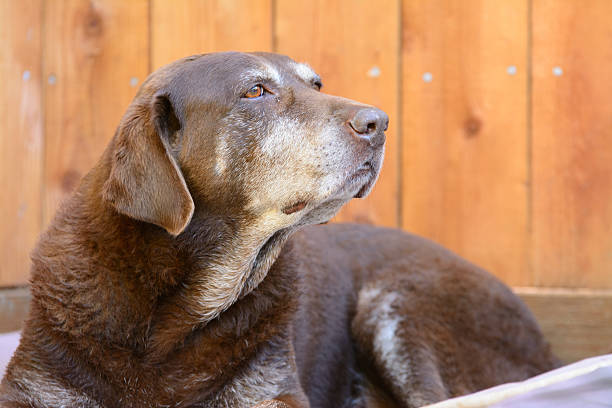
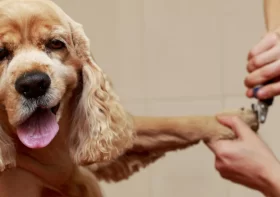
Senior dogs should not be neglected. Changes in skin, nails, and activity are all signs to watch out for. Grey hairs can appear around the eyes and on the muzzle in senior dogs. Their hair may become drier and less flexible, and their skin may become more rigid or thicker. There may be warts, fatty lumps, benign tumors, or other troublesome bumps you can see through grooming. All of these signs are common in older dogs, but any new or suspicious nodes should be seen by a veterinarian immediately. It is vital to keep your dog well-groomed and to become familiar with the body as they age. You and your pet should catch it early.
Another sign of aging is dental disease. It would be best if you kept an eye out for signs such as increased salivation and difficulty chewing food. Gum disease can cause severe problems for dogs’ overall health. It can increase their risk of developing heart, lung, kidney, or other life-threatening conditions in many organs. Good oral hygiene will protect your senior dog against gum disease and allow you to check for any suspicious signs.
You can also look for signs such as excessive thirst, confusion, failure to recognize their surroundings, frequent or uncontrolled urine, depression, disobedience, and occasional destructive behavior. If you notice these signs in your pet, don’t panic. You can do many things to ensure your pet has a happy and healthy life. You can do a range of things that will help you achieve this. The first is to make sure their area is senior-proof. Avoid leaving your dog alone if they cannot walk the same way as in their younger years. Have someone help you carry your dog, ensure that food and water are close by, and give your dog proper medical care. Older dogs will be less active and may not enjoy going on walks. Changing your dog’s diet is essential to ensure they get all the necessary nutrients. It is important to brush your dog’s teeth regularly. Consider purchasing a dental chew toy like the Gumi Dental 360 to help your dog clean their teeth. Many foods can benefit your dog’s teeth. The Royal Canin mobility supports, and the Hill’s JD could be options. You can also modify your dog’s diet to suit its needs. Certain anti-inflammatory medications may be prescribed to help with arthritis pain. Talk to a doctor about your options.
While we know it is essential to take your dog on walks as often and as often as possible, there are times when this may not be possible. Your dog’s metabolism will decline as they age, making them more susceptible to obesity. Dog obesity can cause many diseases, including diabetes, heart disease, respiratory disease, diabetes, and joint pain. Your dog’s ideal weight can be maintained with the Eukanuba Senior Dog, Applaws It’s All Good Dry Senior Food, and Hill’s RD Weight Reduction Food.
Regular vet visits – at minimum twice per year – and annual vaccinations and examinations are strongly recommended. Please keep track of any changes in your pet’s behavior and familiarize yourself with their habits. You can also talk to your veterinarian about special screenings for geriatric diseases so that you can rule out any hidden conditions your dog may have.
It is vital to keep your dog active at all stages of life. The same rules should be followed to keep your dog mentally stimulated. Talking to your dog frequently is a good idea to get them to listen to you. You may find your dog lying down or refusing to engage with you. Don’t let that happen. You should be calling their name constantly, keeping them awake, praising them, and giving them the emotional support they need. You can also leave some biscuits in the house so your dog can explore them. This will keep them awake and will encourage them to exercise their legs.
Because they are less energetic and yappy than puppies, older dogs often go unnoticed at rescue shelters or pounds. Older dogs can be just as affectionate as their younger counterparts. While you might need to take care of them a little more, they won’t need to be toilet trained or walked as often as puppies. They will also be happy and healthy, with no behavioral problems, and will love to cuddle! Older dogs want to live as long as possible. These are the best moments to make your senior dog happy. Remember the unconditional love you shared with your pet during their early years and continue that love until their final days.

Leave a Reply