WHAT IS DOG FLU?
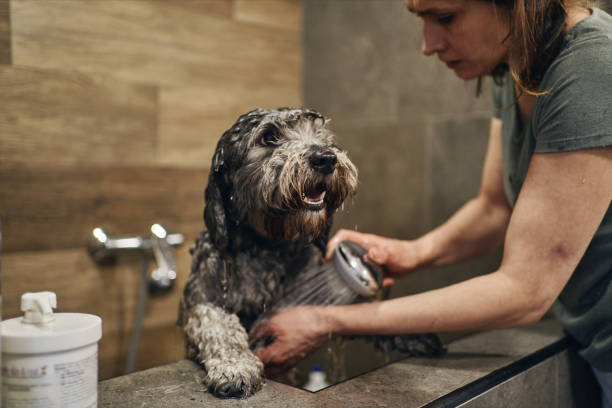
Dogs are just like humans. When the outside temperature drops and bacteria start circulating in the air, they can get many illnesses. Compared to the human version, the most common is Bordetella bronchiseptica, or, in simpler terms, the “kennel cold.”
Kennel Cough
Kennel cough occurs when dogs inhale virus or bacteria particles. This can be caused by cold temperatures, poor ventilation, dust, cigarette smoke, travel-induced stress, and exposure to cold temperatures. Kennel cough is easily diagnosed by a decreased appetite, running eyes with ticks, soupy liquid discharge, dry skin, and crusty or enlarged lymph nodes.
Kennel Cough Treatment
Although these symptoms may appear harmful to your dog’s health, kennel cough does not cause any harm. Dogs can usually recover in 1-2 weeks if they are well-rested, hydrated, and kept warm. Avoid playing or walking your dog, as they already feel tired and lethargic. Exercise will only make the cold worse. You can allow your dog to relax in a warm area of your house or provide a blanket for them to sleep on. Consider buying a coat for your dog to keep them warm or a toy like the Little Buddy kindly bear to keep them warm during winter. To prevent bacteria from spreading, clean any bedding and clothing your dog comes in contact with. Your home should be well-ventilated, clean and free of dust and dirt to avoid kennel cough. Ensure your pet is not exposed to excessive dust or cigarette smoke to reduce coughing. Consider consulting your veterinarian about vaccinations that could help prevent kennel cough.
Canine Influenza Virus (CIV)
Canine Influenza Virus (CIV) is the second type of flu that dogs can get. It is more complicated than kennel-cough. CIV can cause severe complications, such as pneumonia, and even be fatal if left untreated. There are two types. The H3N8 virus is one type, while the H3N2 is another. The H3N8 virus closely resembles the virus that causes equine flu. It is believed that the H3N2 virus was caused by the direct transmission of an avian flu virus to dogs. Although there is currently an H3N8 vaccine, all dogs are susceptible to canine flu, regardless of age, breed, or vaccination status. CIV can be transmitted by aerosols, drops, direct contact with the respiratory section, dogs who are close to infected dogs, and dogs that come into contact with contaminated items. CIV infection can be diagnosed if your dog exhibits symptoms such as coughing, sneezing, and variable fever. Clear nasal discharge can also progress to thickening mucus that becomes yellowish-green. Your veterinarian can diagnose your dog with CIV through a physical exam or other tests. However, it is essential to be familiar with the symptoms so that you can seek medical advice as soon as possible.
Canine Influenza Virus Recovery
CIV can be treated quickly and should last between 1 and 30 days. This will prevent the development of other medical conditions. There are many ways to treat CIV. You can use anti-viral, bacterial, and fluids to keep your pet hydrated and warm and have a comfortable resting place. However, good nutrition can help with CIV. To ensure your pet is on the right path to recovery, you must continue to provide a healthy diet. Chicken broth is an excellent choice for dogs with illnesses. The broth contains protein, healthy fats, vitamins, minerals, and collagen. Dogs with low appetites will enjoy it because of its delicious flavor. You should do everything possible to ensure your pet’s stomach is full and their body hydrated, even if they refuse to eat. Your vet can recommend foods that will not upset your dog’s stomach.
Preventive Measures
Washing your clothes after dogs have surrounded you can help to prevent cross-contamination. Although canines are not susceptible to the influenza virus, humans can contract it from dogs. The virus can be transmitted to their pet by the owners without them knowing. You must practice good hygiene during cold months and wash your hands frequently, not only for your health but also for the sake of your dog.
Although it’s essential to be aware of the dangers of colder temperatures and poor ventilation, you shouldn’t be afraid that your dog could get the flu or cold. You can spot any unusual behavior in your dog if you know what to watch out for. There are many ways to treat your dog these days. It would help if you took your dog to the vet as soon as possible. They will recover more quickly if they can begin treatment as soon as possible. You could make your dog’s situation worse by not seeking medical advice. Your veterinarian can recommend the best procedures to use if your dog is already suffering from these viruses. You can prevent your dog from getting the flu using the abovementioned methods. If they do get the flu, you should be able to recognize the symptoms and prepare for them to recover.



Leave a Reply