What’s the deal with CAMEL CARE and WELFARE?
Willemijn Koch has been involved with camels since 1997. She is currently the Cotswold Wildlife Park’s Deputy Keeper for the camel and giraffe sections. She fell in love with camels when she began working with them. One of her life goals was to visit Mongolia and volunteer for the Wild Camel Protection Foundation.
When it comes to camels, most people get off to the wrong start. There are three types of camels. Many people assume that there are only two species.
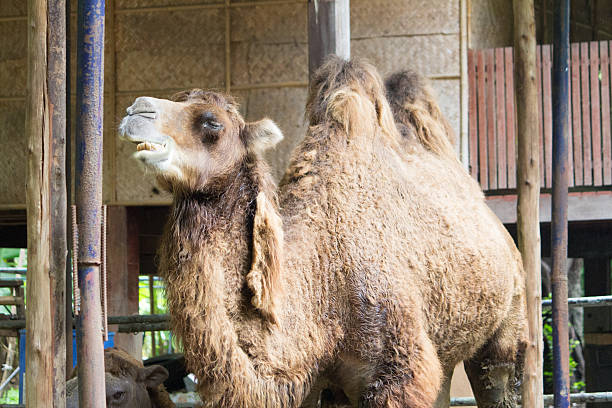
The Dromedary camel ( Camelus dromedaries is found mainly in North Africa and the Middle East. They were initially used as pack animals by Bedouins crossing the silk routes and continue to do so today. The most domesticated species of the three is the double-humped Bactrian camel ( Camelus Bactrianus). They were once used in Asia as pack animals, but they can be found around the globe. There is also the endangered wild camel ( Camelus ferus), located in the Gobi and Mongolian deserts, where around 1,000 individuals are left today. Although the wild camel is similar to the Bactrian, their DNA is three percent different. This is why they have been classified as a distinct species since 2008.
Animal Welfare refers to the four aspects of an animal’s physical life that affect its mental health. These include diet, environment, behavior, and health. Wild camels are protected in conservation projects. The animals are closely monitored so that they do not become a threat to humans. If necessary, a veterinarian is on-site. Supplemental feeding is provided for animals in need of it. With some help from conservationists and locals, these wild camels can live in extreme conditions in the Asian deserts.
Camels rely on staff to care for them in facilities like zoos. Even though domesticated camels have adapted to living in captivity, they still need special care to be happy. Bactrian camels believe winter coats are delicate, so they don’t require heating. The top can still be used as long as the shelter is large enough to protect all animals from the elements. Scratching posts are also beneficial, especially in summer, when they shed their thick fur coats. They are happier and healthier if they have sand in their houses and enclosures. Camels love to sleep on soft substrates, and they also love rolling in the sand.
It is vital to ensure that camels are fed a healthy and balanced diet in captivity. Camels need access to grass or hay as they are grazing animals. However, pellet food can provide all the necessary vitamins and minerals. Camels are good at using their fat stores (located inside their humps) when there is not much food.
Knowing what minerals are found in the grasses, branches, and other foods the camel eats is vital. Salt or mineral licks may be used if an element is not available. Although large blocks are often used in many facilities, camels might start to use their teeth because their tongues don’t look as rough as other hoof stocks. This can cause grinding of their teeth or other dental problems. However, loose minerals and salts can be used instead.
Prevention is better than treatment when it comes to camel health. Regular screening can help ensure that camels are healthy and happy. Frequent fecal analyses can reveal potential problems, such as the presence of worm eggs. Training individuals to take responsibility for their health can make it easier to check their overall health, such as skin and body condition and foot care. It is essential to build a relationship with your camel and listen to what they say. This is important for safety.
Camels are like marmite. I once heard that they were like marmite. I have to say that I love them! I believe they are one of the most fascinating and majestic creatures on Earth.
Guest bloggers can express their opinions, views, and positions, but they do not necessarily reflect Wild Welfares. Wild Welfare does not guarantee the accuracy of guest bloggers’ information. Wild Welfare is not responsible for any errors, omissions, or representations. The author owns the copyright for this content. Any liability regarding infringement of intellectual property rights rests with them.



Leave a Reply